12
Nov
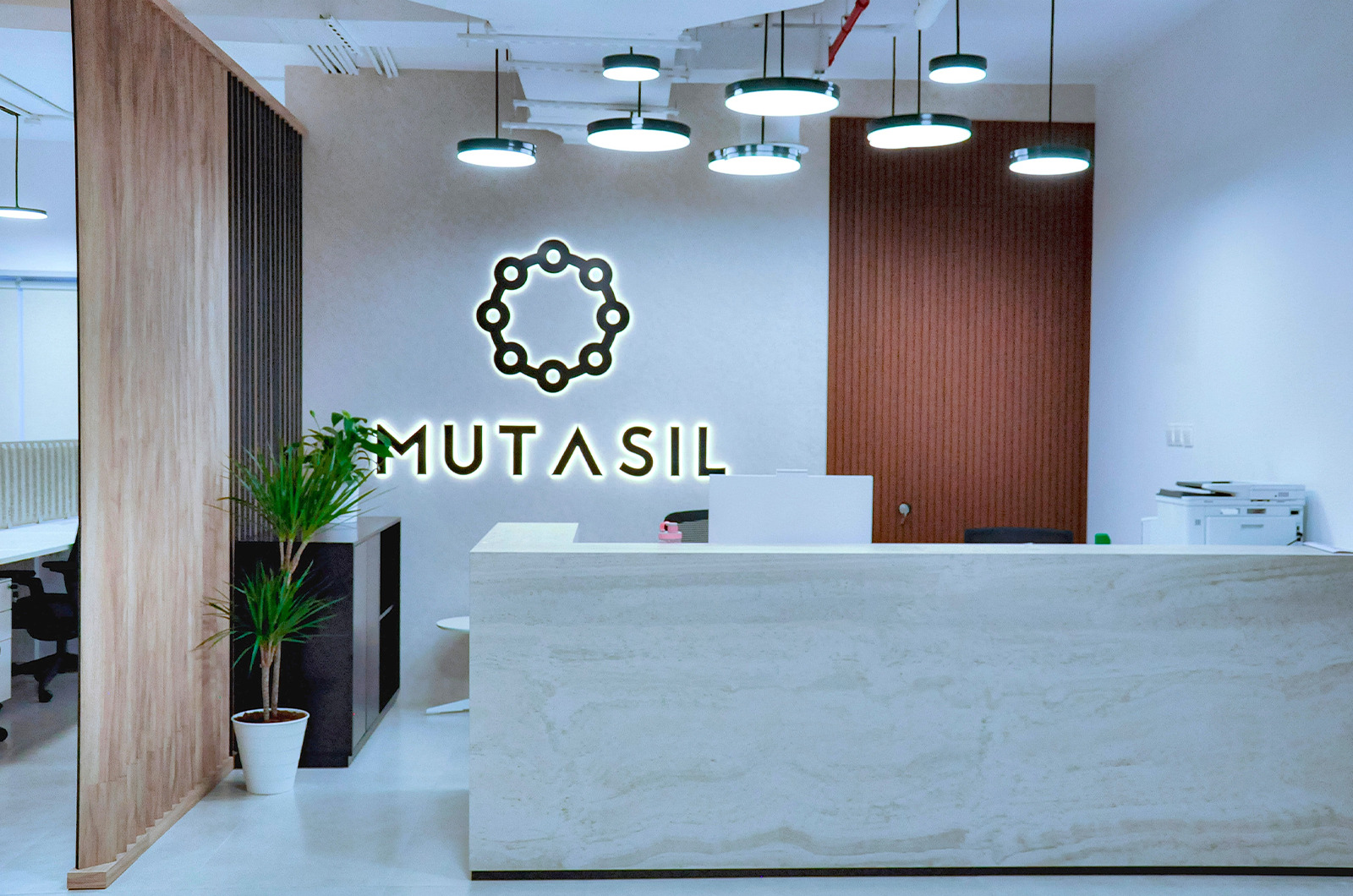
The workplace has changed more in the past five years than it did in the previous two decades. Businesses have shifted from rigid, traditional leases to flexible, hybrid, and efficiency-driven work models. Remote teams, digital-first operations, and cost-conscious expansion strategies have reshaped what companies expect from office spaces. As we move into 2026, one trend is set to dominate the global commercial real estate landscape: subscription-based offices, also known as pay-as-you-grow workspaces.
This model—similar to how companies subscribe to software, cloud storage, or professional services—offers businesses the ability to scale, shrink, or transform their workspace needs instantly. For startups, SMEs, and even enterprise-level companies, 2026 will be the year where long-term leases give way to monthly, adaptable, on-demand office subscriptions.
Below is a deep dive into why subscription-based offices are rising fast and how they will redefine business operations in 2026.
1. A New Work Era: Businesses Refuse Long Commitments
For decades, committing to a fixed commercial lease was considered a standard cost of doing business. But the rise of hybrid work, global talent mobility, and digital collaboration has made such rigid contracts impractical.
By 2026, companies want:
- No long-term lock-ins
- The freedom to upgrade or downgrade workspace size
- Predictable, transparent costs
- Minimal setup and zero capital expenditure
Subscription-based offices deliver on all these expectations. Instead of signing a multi-year lease with heavy deposits, businesses pay a simple monthly fee that covers workspace access, utilities, meeting room hours, internet, support staff, and more.
2. Economic Uncertainty Is Accelerating Flexibility
Economic cycles have become shorter and sharper. Businesses need the ability to adapt quickly without dragging financial commitments.
The subscription office model protects companies from:
- Market fluctuations
- Unpredictable hiring slowdowns
- Sudden scaling needs
- High operational overhead
- Locked, fixed rental obligations
This flexibility is valuable for industries like tech, e-commerce, consulting, creative agencies, and startups—segments that experience rapid scaling and contraction.
3. The Global Shift Toward the Everything-as-a-Service (XaaS) Model
From SaaS to on-demand logistics, the XaaS economy is exploding. Businesses now prefer access over ownership for software, tools, vehicles, manpower, and even AI systems.
Offices are simply the next logical step.
The workspace-as-a-service model offers:
- Shared or private offices on monthly plans
- Pay-per-use meeting rooms
- Flexible desk passes for hybrid teams
- Custom add-ons like PRO services, mail handling, or dedicated support
This matches how companies scale their cloud or SaaS subscriptions—add users, remove users, upgrade, downgrade—based on real-time needs.
4. Remote & Hybrid Teams Need Dynamic Workspace Access
Hybrid work is becoming the long-term global standard, reaching its most mature stage in 2026.
Companies are balancing:
- Remote employees
- Onsite teams
- Flex workers
- Contractors
- Project-based staff
- Regional team clusters
Subscription-based offices allow businesses to:
- Provide office access only to employees who need it
- Offer meeting rooms for weekly check-ins
- Maintain a small core office while supporting remote work
- Expand into new cities with minimal investment
- Use multiple office locations under a single plan
5. Cost Efficiency: Pay-As-You-Grow Beats Traditional Leases
Traditional office leasing involves high advance rent, fit-out expenses, furniture, IT setup, maintenance costs, service fees, and security expenses.
Subscription-based offices eliminate all of this with one monthly fee that includes:
- Fully furnished offices
- High-speed internet
- Meeting rooms
- Reception services
- Utilities and maintenance
- Business address
- Zero setup costs
- Community events
This dramatically reduces financial strain while offering premium workspace solutions.
6. Companies Are Expanding Globally Without Physical Headaches
Global expansion is shifting from physical presence to strategic presence. Companies entering new markets now prefer:
- Quick setup
- No upfront investment
- Minimal administrative effort
- Instant corporate address and compliance support
Subscription-driven business centers in cities like Dubai, Singapore, London, and Riyadh enable seamless international expansion.
7. The Rise of Managed Business Centers & Smart Workspaces
Modern business centers are tech-enabled ecosystems offering:
- Access control systems
- App-based bookings
- Private calling booths
- High-speed networking infrastructure
- Community lounges
- AI-powered meeting rooms
- Business concierge support
These features align perfectly with the future of work, where convenience, connectivity, and productivity tools are essential.
8. 2026 Will Be the Breakthrough Year
All indicators point to subscription-based offices becoming the dominant workspace model in 2026. Businesses want:
- Flexibility
- Scalability
- Cost efficiency
- Tech-enabled environments
- Zero long-term obligations
The traditional leasing model cannot compete with these advantages.
Conclusion
Subscription-based offices represent the future of work—flexible, affordable, scalable, and tailored to real-time business needs. With hybrid work, global expansion, and cost-efficiency driving the next era of workplace evolution, 2026 will mark the shift from traditional leases to subscription-style workspaces.
Whether you are a startup seeking a professional presence, an SME managing hybrid teams, or a growing enterprise entering new markets, subscription-based offices offer the freedom to expand on your terms—without limits or long-term risk.


Why Freelancers and Consultants Need a Virtual Office in Dubai
13 February 2025


Virtual Office Setup in Dubai: Common Mistakes to Avoid
07 February 2025

Can a Virtual Office in Dubai Help You Get a Business License?
07 February 2025


A Look into the Types of Business Centres Available in Dubai
03 February 2025


Renting vs. Buying: Office Space Solutions in Dubai
30 January 2025

Smart Tech Integration in Office Spaces in Dubai
23 January 2025

Is Remote Work the Future of Virtual Offices in Dubai?
23 January 2025


A Detailed Guide to Virtual Office Solutions in Dubai
22 January 2025

Why Dubai’s Office Space Market is Booming in 2025
16 January 2025

How to Leverage a Virtual Office in Dubai for Tax Benefits
16 January 2025

Technology-Ready Office Spaces in Dubai: A Must-Have Guide
14 January 2025

The Rise of Virtual Offices in Dubai Post-Pandemic
10 January 2025


Top Add-On Services for Virtual Office Users in Dubai
08 January 2025

How AI Is Enhancing Office Space Solutions in Dubai
08 January 2025

How Business Centres in Dubai Are Changing How We Work?
04 January 2025


How to Scale Your Business with a Virtual Office in Dubai
04 January 2025

Industries That Benefit Most from Virtual Offices in Dubai
04 January 2025


Trends Shaping the Office Space Market in Dubai for 2025
04 January 2025

Office Solutions for Large Corporations Expanding to Dubai
28 December 2024


Future Trends in Dubai Business Centers: What to Expect
27 December 2024

The Growing Trend of Boutique Office Spaces in Dubai
27 December 2024

How Dubai Business Centers Offer State-of-the-Art Amenities
26 December 2024

Streamlining Virtual Office Setup in Dubai for Solopreneurs
23 December 2024

Saving Money on Virtual Office Rentals in Dubai
23 December 2024

Licensing Options with Virtual Offices in Dubai
23 December 2024

Cost Comparison: Business Centers vs Traditional Offices in Dubai
13 December 2024

Top Software Solutions for Managing Virtual Offices in Dubai
13 December 2024

Can You Obtain a Business License with a Virtual Office in Dubai?
12 December 2024

How Business Centers in Dubai Accommodate Diverse Industries
10 December 2024

Women Friendly Office Spaces: Inclusivity in Dubai
10 December 2024

The Importance of Reception Services in Dubai Business Centres
04 December 2024

Why Virtual Offices Are the Future of Business Setup in Dubai
03 December 2024

How to Ensure Your Virtual Office in Dubai Is Legally Registered
03 December 2024

Hidden Costs to Watch Out for When Renting Office Space in Dubai
03 December 2024

Are Virtual Offices in Dubai Legally Accepted for Company Formation?
03 December 2024


Solutions for Privacy Concerns in Dubai Virtual Offices
02 December 2024

Why 24/7 Support Matters for Dubai Virtual Offices
30 November 2024

How to Save Money on Virtual Office Setup in Dubai?
30 November 2024

Why Dubai’s Business Centers Are Perfect for Early-Stage Startups?
29 November 2024

Why Virtual Offices Are Perfect for Lawyers in Dubai?
19 November 2024

Top Amenities Offered by Virtual Offices in Dubai
19 November 2024

Virtual Office Telecommunication Features: What You Need to Know
18 November 2024

Tax Benefits of Using Virtual Offices in Dubai
18 November 2024

Office Spaces in Dubai Tailored for Remote Teams
18 November 2024

Predictions for Business Centre Trends in Dubai
18 November 2024

Features of Tech-Friendly Business Centers in Dubai
16 November 2024

What Makes Dubai Marina Business Centres Great for Lifestyle Brands?
15 November 2024


Top Tips for Finding an Affordable Virtual Office in Dubai
12 November 2024

How Business Centers in Dubai Help Startups Scale Globally
12 November 2024

Are Virtual Offices in Dubai Suitable for Large Corporations?
12 November 2024


Addressing Common Misconceptions About Virtual Offices in Dubai
06 November 2024


Cultural Impact of Office Space Solutions in Dubai
05 November 2024

5 Common Misconceptions about Virtual Offices in Dubai
04 November 2024

Essential Checklist for Setting Up Your Virtual Office in Dubai
04 November 2024

Flexible Lease Options for Virtual Offices for Rent in Dubai
30 October 2024

Evaluating Quality vs. Cost in Cheap Virtual Offices in Dubai
30 October 2024


Is a Virtual Office in Dubai the Right Choice for Your Business?
19 October 2024

How Technology is Shaping Office Space Solutions in Dubai?
18 October 2024

How Technology is Shaping Office Space Solutions in Dubai?
18 October 2024


How a Virtual Office Can Help You Secure Business Deals in Dubai
16 October 2024

How to Optimize Productivity with a Virtual Office in Dubai
16 October 2024
